Plumbing Advice
How to Choose an Annapolis Plumber for a Planned Home Project
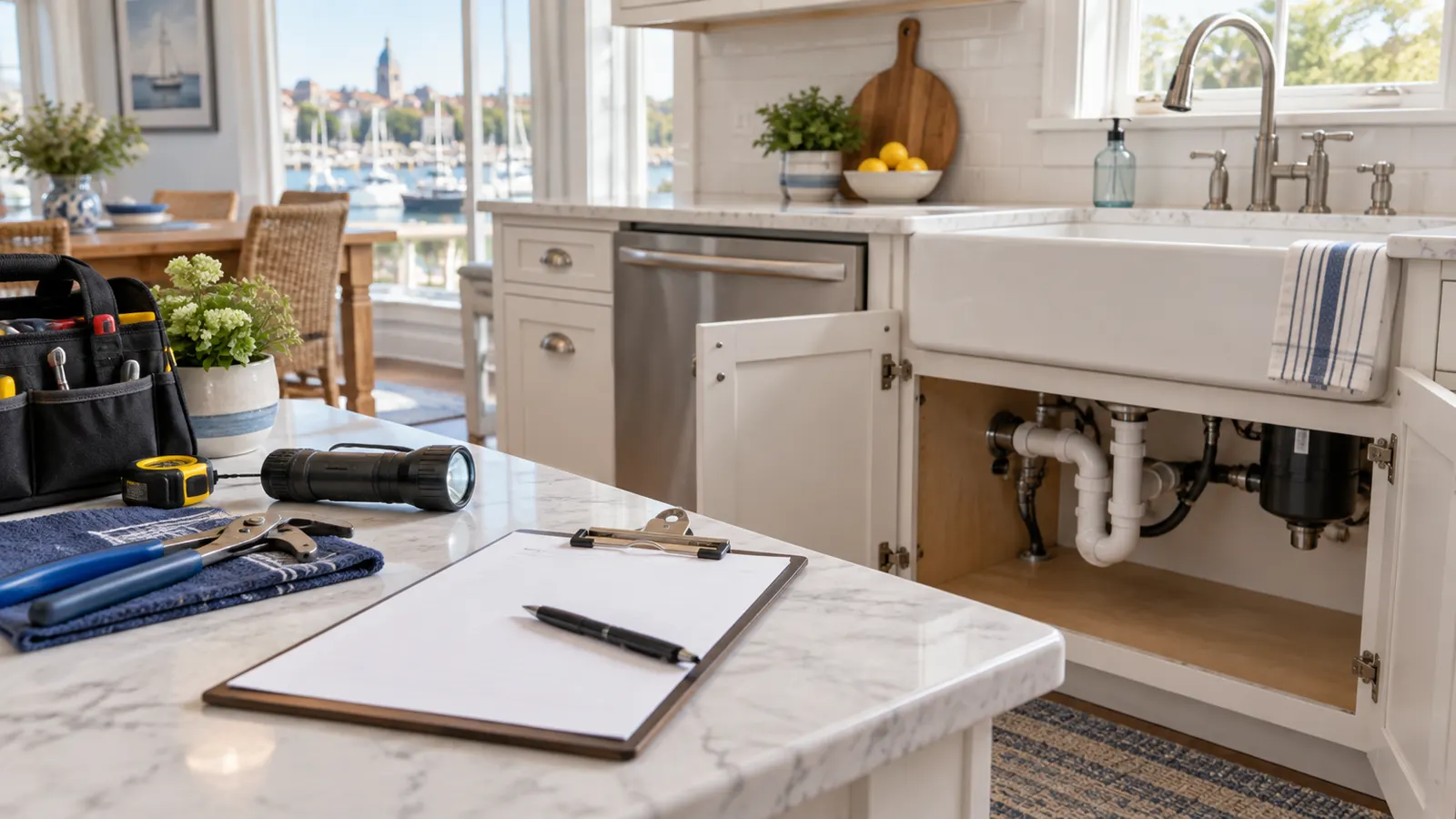
A planned project is different from an emergency. You have time to compare Annapolis, MD plumbers, ask real questions, and write down what you learn before anyone picks up a tool. That time is the advantage, and most homeowners spend it on the wrong things.
This guide is a selection checklist. It covers five areas that tend to decide whether a planned bathroom, kitchen, or equipment project runs cleanly: verified scope, project questions, property access, documentation, and a written scope you can actually read. It does not tell you what any job involves at your address, because that depends on your plumbing, your home, and conditions a plumber has to confirm in person.
Start with the scope you can describe yourself
Before you contact anyone, write two or three sentences describing what you want changed. Name the room, the fixtures, and the outcome. "Replace the two sinks and the tub valve in the upstairs bathroom" is useful. "Redo the bathroom" is not.
Add anything already decided. That includes fixtures you have chosen, a finish date you are working toward, and any other trade scheduled around you. If your project touches equipment such as a water heater or a boiler, note the make and model if the label is already visible and safe to read.
This short description does two jobs. It keeps every conversation comparing the same work, and it makes gaps obvious when one plumber asks about something the others skipped.
Confirm verified service scope before anything else
The first checklist item is the one people skip. Confirm that the work you described is inside the services the company actually performs.
Do not assume a plumbing company handles every plumbing-adjacent category. Residential service, new fixture installation, water heater work, water treatment, and drain work are separate lines of business, and a company may cover some and not others. Ask directly: "Is this specific project something your team performs?"
If a company says part of the project is outside its scope, that is a useful answer, not a problem. It saves a scheduling cycle. You can see the general residential categories Heidler Plumbing lists for Annapolis homes and start the scope conversation from there.
Ask the questions that show how a project runs
Planned work is mostly logistics. These questions surface how a company operates, and the answers are easy to compare side by side.
- Who evaluates the project at the property, and who performs the work?
- What has to be confirmed on site before the scope is final?
- How is the work sequenced if other trades are involved?
- What conditions would change the plan once walls or cabinets are open?
- Who orders fixtures and materials, you or the company?
- How are changes to the plan recorded once work is underway?
- Who is the single point of contact during the project?
Pay attention to the answers about unknowns. A plumber who names the things that cannot be confirmed until the work starts is describing the job honestly. A plumber who says nothing will change is describing a sales pitch.
Sort out access before the first visit
Access problems stall more planned projects than technical ones. Walk the path the work will actually take and note what is in the way.
Check the route from the street or driveway to the work area. Note stairs, narrow turns, low basement headroom, and any door too small for equipment. Look at what surrounds the fixtures: a crowded utility area, a finished ceiling under the bathroom, or a cabinet that has to come out first.
Then handle the human side. Decide who will be home, where parking works on your street, whether pets need to be secured, and whether a shutoff affects anyone else in the building. If you are in a condominium or a community with rules about work hours or common shutoffs, find out now rather than on the first morning.
Write all of this into your project description. It is the part a plumber cannot guess at from a phone call.
Decide what documentation you want and keep it
Planned projects produce paperwork, and the paperwork is worth more later than it seems at the time. Decide up front what you want to end up with.
Useful records include the written scope of work, any permit or inspection documents required for the work, model and serial numbers for equipment that was installed, manufacturer documentation and warranty registration for new fixtures or appliances, and photographs taken before a wall or floor is closed back up.
That last one matters more than most homeowners expect. Photos of open walls showing pipe routing, shutoffs, and connections become the reference for every future repair at that address.
Ask who provides each document and when. Ask whether permits and inspections apply to your project, and if so, who files them. Keep everything in one folder, digital or paper, organized by date.
Read the written scope line by line
The written scope is the document that defines the job. Read it the way you would read a checklist, not a contract you skim and sign.
It should name the specific work to be performed, the fixtures and materials involved and who supplies them, what is explicitly not included, the access and site conditions it assumes, how the work will be sequenced, and the process for handling a change once conditions are exposed.
Vague scope language is the warning sign. "Bathroom plumbing" covers everything and commits to nothing. "Replace two lavatory supply sets and angle stops, replace tub and shower valve, reconnect existing drain" describes work you can verify was done.
If a line is unclear, ask for it to be rewritten before work is scheduled. A company that will not put its scope in specific written language is telling you something about how the project will go.
Put the checklist together
Run the same five checks on every company you consider in Annapolis:
- Verified scope. They confirmed this specific project is work they perform.
- Project questions. They asked about your home and named what has to be confirmed on site.
- Access. They understand the route, the surrounding conditions, and your building's rules.
- Documentation. You know which records you receive and who produces them.
- Written scope. The document is specific enough to check the finished work against.
Compare the completed checklists rather than your impression of the phone calls. A planned project gives you the room to do that, and it is the reason planned work tends to go better than emergency work.
Talk through your Annapolis project
When your description, access notes, and questions are written down, you are ready for a real scope conversation instead of a guessing game. Heidler Plumbing serves Annapolis, MD, and a property-specific evaluation is what turns a project description into a defined scope of work.
Bring your notes and ask for the scope in writing. Contact Heidler Plumbing to start that conversation about your planned Annapolis project.
Keep reading
Related plumbing advice
Plumbing Advice
Carbon Monoxide and Gas Appliances in Annapolis, MD: Why Backdrafting Happens
Read articlePlumbing Advice
What to Gather Before Scheduling Plumbing Service in Annapolis
Read articlePlumbing Advice